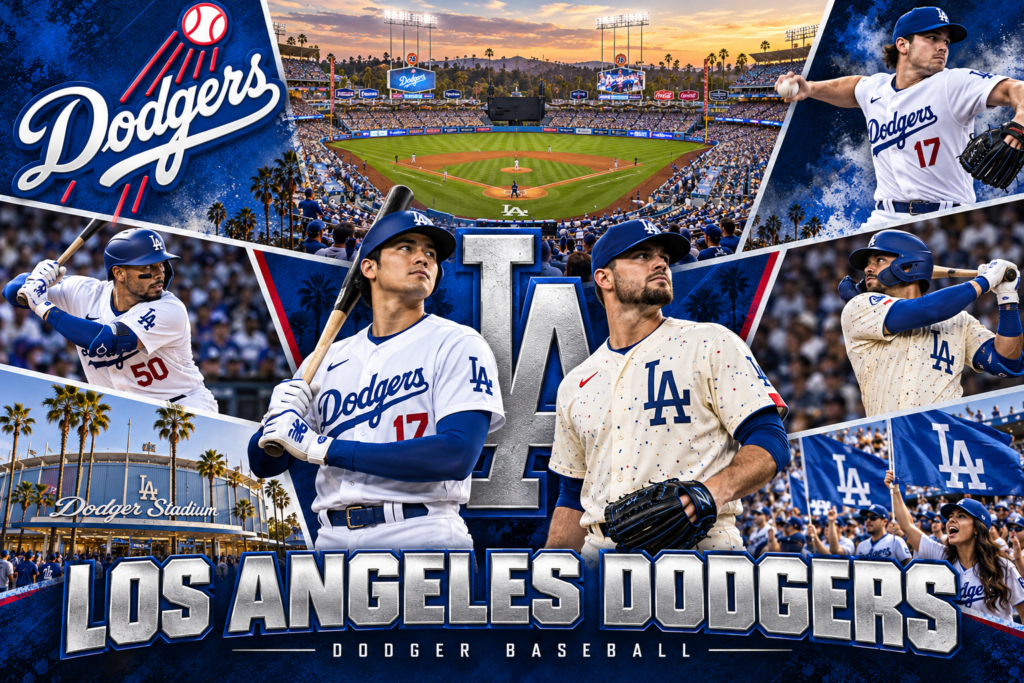
The Milwaukee Brewers return to Dodger Stadium in Los Angeles, California, on Thursday, October 15, 2026, with a chance to finish the NLCS. First pitch is scheduled for 8:00 PM ET on FS1, moved up from the original 9:00 PM start. Milwaukee leads the series 3–0 after Wednesday’s 6–2 victory. Los Angeles remains favored at -174, with the Brewers getting +144 and the total at 7.5. Visit our MLB picks page for our daily slate and postseason predictions.
I’m taking Milwaukee at plus money. The Dodgers have another capable starter available, but the Brewers have consistently produced the better at-bats and stronger finishes. Los Angeles briefly led Wednesday before giving it back immediately. Milwaukee now has three opportunities to complete the sweep before this series would return to Wisconsin.
Game Information and Betting Lines
| Category | Details |
|---|---|
| Matchup | Milwaukee Brewers at Los Angeles Dodgers |
| Date | Thursday, October 15, 2026 |
| First pitch | 8:00 PM ET / 5:00 PM PT |
| Venue | Dodger Stadium, Los Angeles, California |
| Television / streaming | FS1 / FOX One |
| Postseason round | NLCS Game 4 |
| Series standing | Milwaukee leads 3–0 |
| Moneyline | Brewers +144 / Dodgers -174 |
| Run line | Brewers +1.5 (-151) / Dodgers -1.5 (+125) |
| Total | Over 7.5 (-110) / Under 7.5 (-110) |
| Preferred selection | Brewers moneyline +144 |
Weather and venue: Dodger Stadium is outdoors without a roof. The latest temperature forecast calls for approximately 90°F at first pitch, cooling into the 80s during the game, with no rain expected. Available wind guidance suggests light winds around 4–6 mph, with gusts near 9 mph. The warm conditions offer some support for offense, although I would not treat this as a major wind-driven betting spot.
Prices are the published DraftKings research snapshot. Milwaukee had not officially announced its starting pitcher when this preview was completed.
Starting Pitchers: Milwaukee’s Decision Matters
Tyler Glasnow is scheduled for Los Angeles. Milwaukee officially lists TBD, with Dustin May identified as the expected starter in betting previews. The comparison below treats May as a possibility rather than a confirmed assignment.
| Statistic | Dustin May — Expected, Unconfirmed | Tyler Glasnow — Scheduled |
|---|---|---|
| Throws | Right-handed | Right-handed |
| 2026 postseason appearances | 2 | 1 |
| Postseason starts | 1 | 1 |
| Postseason innings | 4 | 4⅔ |
| Postseason earned runs | 2 | 1 |
| Postseason ERA | 4.50 | 1.93 |
| Postseason hits allowed | 3 | 1 |
| Postseason walks | 2 | 5 |
| Postseason strikeouts | 4 | 5 |
May allowed two earned runs in three innings against San Diego before throwing a scoreless relief inning in Game 2 of this series. If Milwaukee gives him the ball, I would expect the bullpen to play a substantial role rather than assume a lengthy traditional start. His former association with Los Angeles makes an interesting storyline, but his ability to avoid early damage is what matters for this wager.
Glasnow finished the regular season 5–2 with a 3.53 ERA, 98 strikeouts and 25 walks across 74 innings. He allowed only one hit in his Division Series start, but five walks prevented him from completing five innings. That is the concern against Milwaukee. He can miss bats and still find himself in trouble if he keeps putting runners aboard.
Los Angeles has the more established starting option. Milwaukee has the better recent offensive execution. The Brewers’ eventual pitching announcement could change the balance, particularly for the total.
Milwaukee Keeps Finding Another Way to Win
Milwaukee finished the regular season 103–59, going 55–26 at home and 48–33 on the road. The Brewers are now 6–1 this postseason and have won four straight games. Wednesday’s win required another response after falling behind: Milwaukee erased a 2–1 deficit with consecutive seventh-inning home runs, then added insurance in each of the final two innings. That was its second straight game scoring at least six runs.
This offense was productive well before October. Milwaukee scored 832 regular-season runs, hit .258 and reached base at a .341 rate, while its pitching staff posted a 3.51 ERA. The postseason version has continued creating traffic without needing a home run every night. Wednesday supplied the power, but the broader advantage is a lineup that has kept innings alive more consistently than Los Angeles.
Milwaukee’s bullpen finally showed a crack in Game 3, allowing two runs after its starter’s five scoreless innings. The response was excellent: the final two relievers covered the remaining 3⅔ innings without allowing a run. Thursday brings consecutive-day workload decisions, so I would not assume everyone is equally fresh. Still, Milwaukee has earned confidence in its ability to protect a late advantage.
Los Angeles Has Run Out of Room for Another Quiet Night
The Dodgers went 100–62 during the regular season, including 51–30 at home and 49–32 away. They are 3–4 this postseason, with three consecutive defeats following their Division Series victory. Wednesday’s five-hit performance left Los Angeles with seven runs through three NLCS games. A return home did not fix the offense, and the Dodgers now need four straight wins to advance.
Their regular-season numbers explain why the market continues respecting them: 801 runs, 204 home runs, a .424 slugging percentage and a 3.55 team ERA. But Los Angeles has not carried that power into this series. It has gone three NLCS games without a home run. Milwaukee can pitch carefully around trouble when the Dodgers are struggling to turn ordinary baserunners into sustained rallies.
There was at least some improvement from the designated-hitter spot Wednesday, which produced a single, walk and hit-by-pitch despite ongoing knee and biceps discomfort. The lineup also generated a two-run double to take the lead. Those are encouraging individual moments. Los Angeles needs them to become complete innings, because another night with one productive swing leaves too much pressure on its pitching staff.
Postseason Hitting Comparison
Through October 14, 2026; seven games per team.
| Statistic | Brewers | Dodgers |
|---|---|---|
| Postseason record | 6–1 | 3–4 |
| Runs | 28 | 21 |
| Runs per game | 4.00 | 3.00 |
| Hits | 60 | 42 |
| Batting average | .263 | .188 |
| On-base percentage | .354 | .264 |
| Slugging percentage | .395 | .308 |
| OPS | .749 | .572 |
| Home runs | 8 | 8 |
| Walks | 29 | 23 |
| Strikeouts | 61 | 60 |
| Stolen bases | 8 | 3 |
The equal home-run totals make the difference elsewhere stand out. Milwaukee has 18 more hits and a much better on-base percentage. Los Angeles has enough power to change a game quickly, but the Brewers have supplied more opportunities for a productive swing to matter. Seven games remain a small sample; the current offensive advantage is nevertheless substantial.
Postseason Pitching Comparison
| Statistic | Brewers | Dodgers |
|---|---|---|
| Innings pitched | 62 | 61 |
| ERA | 1.74 | 3.39 |
| WHIP | 1.05 | 1.25 |
| Hits allowed | 38 | 45 |
| Runs allowed | 17 | 23 |
| Earned runs allowed | 12 | 23 |
| Home runs allowed | 2 | 7 |
| Walks | 27 | 31 |
| Strikeouts | 57 | 74 |
Los Angeles has struck out more hitters, yet Milwaukee has allowed fewer hits, home runs and runs. Wednesday illustrated why strikeouts alone cannot carry a pitching staff: the Dodgers recorded 12, but three home runs still helped Milwaukee reach six runs.
Dodgers postseason totals were updated by adding the October 14 final box score to their six-game totals. WHIP, OPS and scoring averages are calculated from the underlying statistics.
Key Matchup Factors
| Factor | Edge | What it means |
|---|---|---|
| Confirmed starting option | Dodgers | Their strongest argument for avoiding the sweep |
| Postseason offensive production | Brewers | More consistent baserunners and scoring opportunities |
| Late-inning performance | Brewers | Milwaukee has repeatedly finished the stronger |
| Bullpen workload | Monitor | Consecutive games introduce availability decisions |
| Milwaukee’s starter | Unconfirmed | Main uncertainty for both selections |
| Warm outdoor conditions | Slight support for offense | A supporting factor for the over |
Milwaukee Brewers vs Los Angeles Dodgers Picks and Prediction
Side Pick: Milwaukee Brewers Moneyline (+144)
I’m backing Milwaukee to finish the series. The Brewers have outscored Los Angeles 15–7 through three games, and their advantage extends beyond one fortunate inning or one pitching matchup. They have created more traffic and repeatedly answered when the Dodgers threatened to take control. Los Angeles’ scheduled starter is the strongest counterargument, especially if he improves his command. But Milwaukee does not have to dominate him to win this game; it needs to keep the score manageable and continue producing later. Take Brewers +144, with +135 my minimum acceptable price, subject to the confirmed pitching plan.
Total Pick: Over 7.5 (-110)
The over requires some cooperation from Los Angeles, and that is the weakness in this pick. Still, the Dodgers drew four walks Wednesday, and Milwaukee may ask several pitchers to cover Game 4. That gives the home lineup a reasonable opportunity to improve. On the other side, Milwaukee has scored 13 runs in two games and faces a starter who walked five in his last appearance. Warm conditions provide a little additional support. I prefer an eight-run projection to paying for another low-scoring Dodgers turnaround. Play Over 7.5 at -110 or better; reassess if Milwaukee announces a materially stronger starting arrangement.
Projected Score: Milwaukee Brewers 5, Los Angeles Dodgers 3
Final Picks: Brewers moneyline (+144) and Over 7.5 (-110).
Preferred Pick for This Game: Brewers moneyline (+144).
Preview completed October 15, 2026. Milwaukee’s starting pitcher remained officially unannounced. Starting pitchers, lineups, betting lines, weather and other game information may change before first pitch.
